When Your Teen Is Struggling: Supporting Thoughts of Self-Harm and Suicide
5 MINUTE READ
Why This Conversation Is So Hard — And So Important
The Fear of Saying the Wrong Thing
When a parent learns their teenager is having thoughts of self-harm or suicide, the instinct is often to panic, minimize, or over-correct. Many parents worry: If I bring it up, will I make it worse? Research consistently tells us the opposite. Asking directly and compassionately about suicide does not plant the idea — it opens a door.
A landmark review published in Psychological Medicine examined studies across adolescent and adult samples and found that none showed a statistically significant increase in suicidal ideation as a result of being asked about suicidal thoughts — and in higher-risk youth, being asked was actually associated with a reduction in distress. Teens who feel they can talk to a trusted adult without being shut down, fixed, or immediately hospitalized are more likely to seek help — and more likely to stay safe.
What We Know From the Research
Self-harm and suicidal ideation in adolescents are more common than most parents realize. Canadian data suggests approximately 1 in 5 adolescents will experience a mental health challenge serious enough to affect daily functioning, and self-harm is often an attempt to manage overwhelming emotional pain — not necessarily a direct attempt to end one's life.
A 2024 study published in the Journal of Child Psychology and Psychiatry followed nearly 3,000 adolescents and found that family connectedness was one of the most powerful protective factors against suicide attempts — even among high-risk youth. Teens with at least one trusted adult they can speak to openly show significantly lower rates of suicidal behavior. You don't need to have all the answers — you need to stay in the relationship.
What Parents Can Do: Three Evidence-Based Strategies
1. Ask Directly — and Stay Calm
If you're worried about your teen, say so plainly: "I've noticed you seem really down lately, and I care about you. Are you having any thoughts of hurting yourself?" Staying calm when they answer — even if what they share is frightening — is one of the most important things you can do. Your regulated response tells them this is survivable, and that they don't have to protect you from the truth. Resist the urge to immediately problem-solve or reassure. Just listen first.
2. Validate Before You Respond
Self-harm and suicidal thoughts often emerge from a place of unbearable pain with no visible exit. Before offering solutions, reflect back what you're hearing: "That sounds incredibly overwhelming," or "It makes sense that you've been struggling — that's a lot to carry." Validation is not agreement — it's acknowledgment. Research on dialectical behavior therapy (DBT), the gold-standard treatment for self-harm, consistently shows that feeling understood reduces the emotional intensity driving these behaviors. Teens who feel judged or dismissed are far less likely to disclose again.
3. Involve Professional Support — Don't Wait for a Crisis
One of the most protective things a parent can do is connect their teen with a mental health professional before things escalate. If your teen is self-harming or disclosing thoughts of suicide, this warrants a conversation with a psychologist or physician. Calgary and Alberta have several resources available right now:
Distress Centre Calgary — 24/7 crisis support by phone or text: 403-266-4357
ConnecTeen — Youth peer support line for Calgary teens, by phone, text, or chat: call 403-264-8336 or text 587-333-2724
Kids Help Phone — Free, confidential 24/7 support for youth across Canada: call 1-800-668-6868 or text CONNECT to 686868
988 Suicide Crisis Helpline — Available 24/7 across Canada by call or text
Alberta Mental Health Help Line — Free, confidential 24/7 support: 1-877-303-2642
ACCESS Mental Health (AHS) — Connects Calgary families to the right mental health services: 403-943-1500
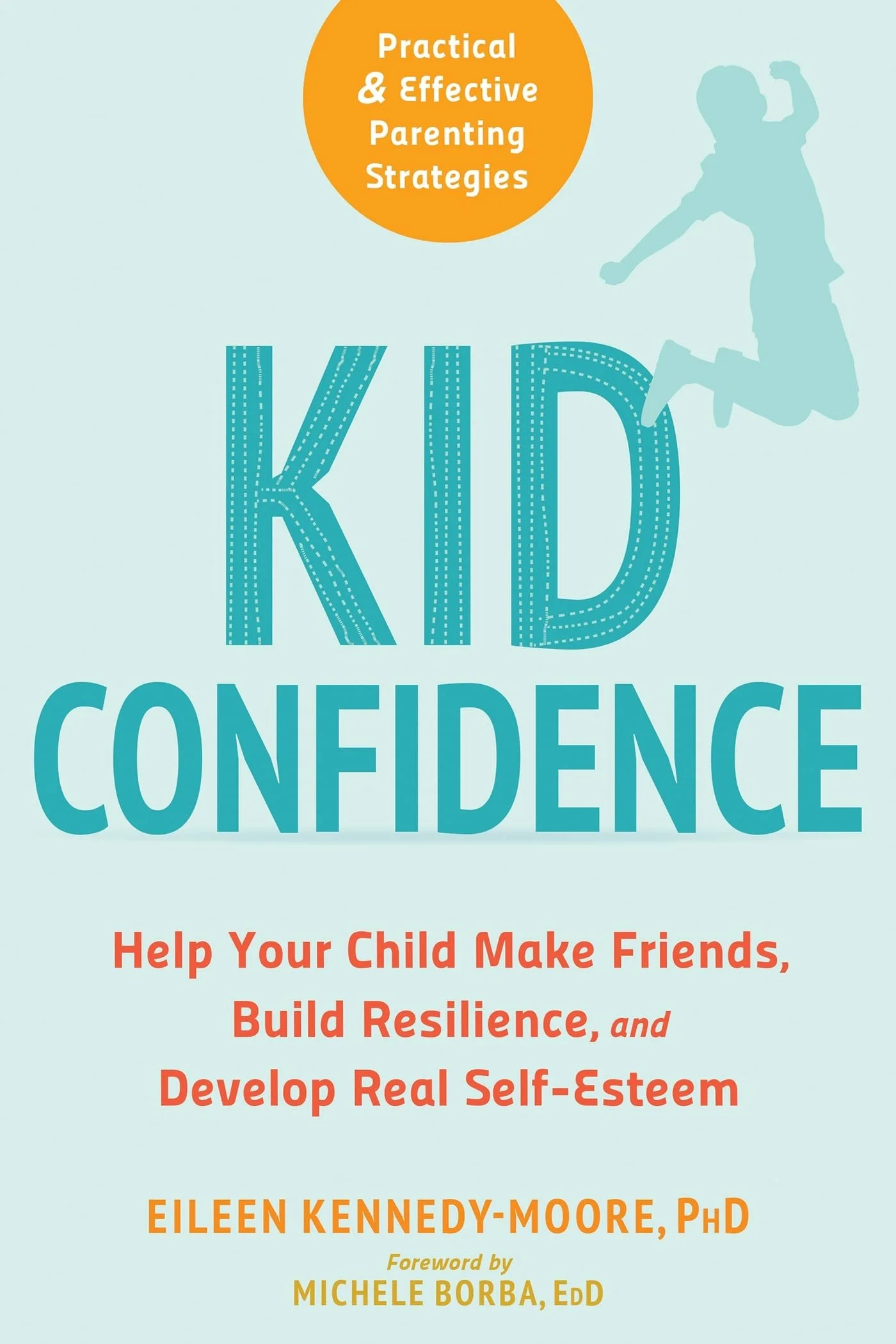
Why Praise Alone Doesn’t Work
Many well-intentioned parents try to build confidence by offering lots of praise or encouragement, such as:
“You’re amazing!”
“You’re the smartest kid I know!”
However, research suggests this approach can backfire — especially for children who already doubt themselves.
A 2014 study by psychologist Eddie Brummelman and colleagues found that inflated praise made children with low self-esteem feel worse when their performance didn’t match the high expectations implied by the praise.
Similarly, studies by Joanne Wood and colleagues (2009) found that encouraging college students to repeat positive self-statements like “I’m a lovable person” often intensified self-doubt, because those statements highlight the gap between how someone wishes they felt and how they actually feel.
What Does Build Real Confidence?
Research consistently shows that healthy self-esteem isn’t about constantly asking, “Am I good enough?” It’s about being able to let that question go. When children feel secure, they can focus on learning, connecting, and participating — rather than monitoring how they’re being judged.
Psychologist Richard Ryan and colleagues (2000, 2003) identified three key ingredients that support genuine self-esteem:
Children build confidence through meaningful relationships where they feel accepted and valued — not for being perfect, but for being themselves. A strong sense of belonging helps kids take social and emotional risks without fear of rejection.
Confidence grows when children develop skills and learn how to learn. This doesn’t mean constant success; it means experiencing effort, mistakes, and improvement in areas that matter to them. Mastery builds trust in their own abilities.
3. Choice
Children benefit from having opportunities to make decisions, explore their values, and act in ways that feel personally meaningful. When kids experience themselves as agents in their own lives, confidence follows.
Implications for Parents
Here are a few key takeaways based on this chapter. Rather than trying to boost self-esteem directly, parents can support confidence by:
Normalizing mistakes and struggles
Encouraging effort, curiosity, and problem-solving
Valuing connection over performance
Helping children reflect on what matters to them, not just how they compare to others
Real confidence isn’t loud or fragile. It’s quiet, flexible, and resilient — and it grows when children feel connected, capable, and free to be themselves.
Implications for Therapy
Helping children develop real confidence can feel like a big task—but research shows that it’s less about praise and more about connection, competence, and choice. Reflecting on how we support our children’s efforts, decision-making, and relationships can be a powerful first step in fostering lasting self-esteem.
Families who explore these ideas in a safe, supportive environment—whether at home, in parenting groups, or in therapy—often notice that small shifts in approach can make a meaningful difference. Children respond when they feel secure, capable, and free to make choices that matter to them, and parents often find themselves more confident in guiding those experiences.